The cultural significance of gambling across different societies
Historical Perspectives on Gambling
Gambling has a rich history that stretches back thousands of years, intertwined with the cultural fabric of societies around the world. Ancient civilizations such as the Chinese, Egyptians, and Romans all engaged in various forms of gambling, reflecting both entertainment and ritualistic aspects of their cultures. In many early societies, games of chance were often linked to religious practices, serving as a means to divine the future or seek favor from deities. The evolution of casino design is notable, as it has adapted to both reflect and enhance cultural relevance, particularly in today’s context of crypto casinos.
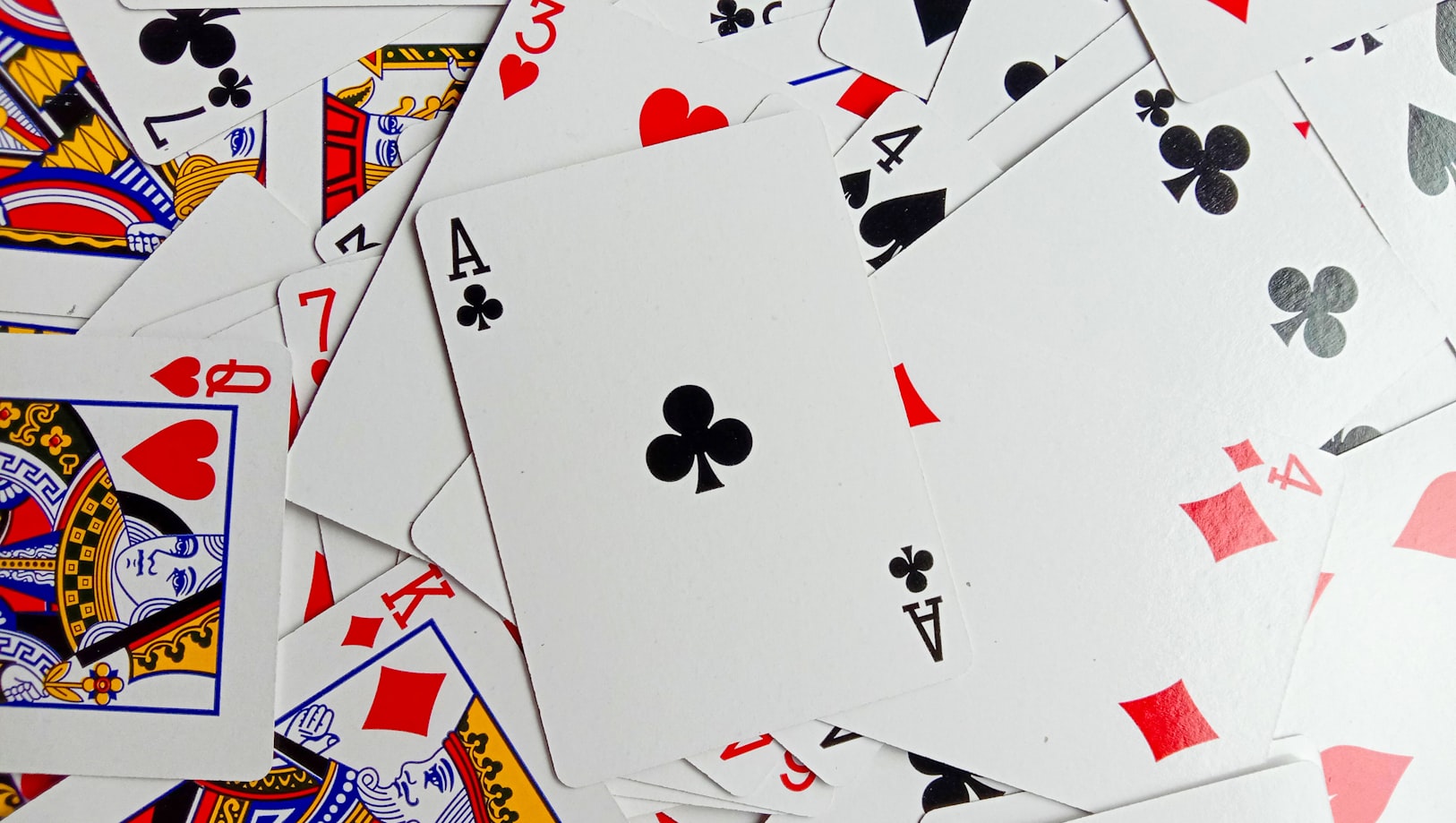
The significance of gambling in historical contexts reveals much about societal values and the human experience. In some cultures, betting was a symbol of status and wealth, while in others, it was a communal activity that brought people together. This multifaceted role of gambling helps to explain its enduring appeal and significance in diverse social settings.
Gambling in Modern Societies
Today, gambling continues to play a crucial role in many cultures, evolving into a major industry with significant economic implications. The rise of casinos, online gambling platforms, and state-sponsored lotteries has transformed how societies engage with gambling. In modern contexts, it often represents both leisure and an opportunity for economic gain, impacting local economies and job markets.
However, the cultural perceptions of gambling vary widely. In some societies, it is embraced as a form of entertainment, while in others, it is viewed with skepticism or outright disapproval due to concerns over addiction and moral implications. These contrasting views underscore the complex relationship between gambling and societal norms.
Gambling as a Social Connector
Gambling often serves as a social connector, creating shared experiences among participants. In many cultures, communal gambling events such as poker nights or local betting pools foster camaraderie and social bonding. These gatherings allow individuals to engage in friendly competition, strengthening relationships and community ties.
Moreover, gambling transcends age and background, offering a space for interaction among diverse groups. Whether in a casino, at home, or online, the communal aspect of gambling can help individuals forge connections, making it a culturally significant activity that enriches social life.
Symbolism and Cultural Rituals
The symbolism of gambling within different cultures often reflects broader societal values and beliefs. In certain traditions, games of chance can symbolize fate and fortune, embodying the unpredictability of life itself. Rituals surrounding gambling, such as those seen in festivals or celebrations, illustrate its role in cultural storytelling and collective memory.
Additionally, gambling can be a medium for expressing cultural identity. In some societies, specific games and betting practices are deeply rooted in tradition, representing historical narratives and community heritage. This cultural significance makes gambling not just a pastime but an essential element of social identity and continuity.

Insights from Our Website
At msfdn.org, we strive to provide a comprehensive understanding of various cultural practices, including the significance of gambling across societies. Our focus is on delivering insightful and well-researched content that enhances your knowledge and appreciation of different cultural expressions.
We invite you to explore our resources to learn more about the intricate interplay between gambling and culture. Our articles are designed to promote awareness and understanding, catering to those seeking to delve deeper into this fascinating topic. Thank you for your interest, and we look forward to enriching your journey into the world of cultural practices.