Understanding the psychology behind high-stakes gambling decisions
The Thrill of Risk and Reward
High-stakes gambling is often characterized by the significant risks players are willing to take in pursuit of substantial rewards. This thrill is deeply rooted in human psychology, where the brain’s reward system plays a crucial role. The anticipation of winning can trigger dopamine release, creating a sense of excitement that compels players to continue betting. This phenomenon is not limited to the financial aspect; the thrill of the game and the potential to achieve a major win can overshadow rational thinking. For players exploring their options, a non gamstop casino might provide an appealing alternative.

Moreover, the concept of loss aversion contributes to high-stakes gambling decisions. Players may find themselves chasing losses, believing that a comeback is just one more bet away. This mindset can lead to increased wagers and poor decision-making, as emotional responses often take precedence over logical assessment. Understanding this psychological drive helps explain why individuals may engage in gambling activities that seem irrational to outsiders.
The Influence of Environment
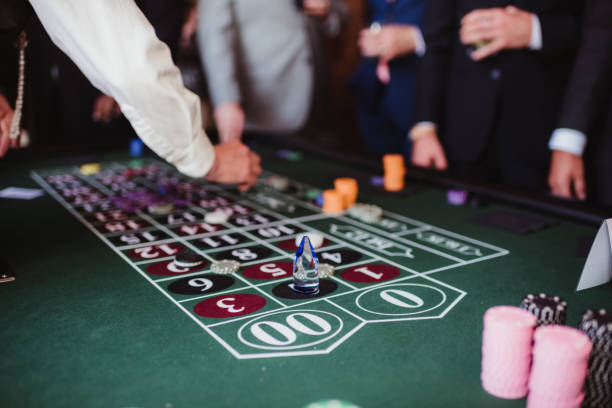
The environment in which gambling takes place significantly affects decision-making. Online casinos and land-based establishments create different atmospheres that can influence a player’s behavior. Land-based casinos are designed with bright lights, sounds, and the constant presence of other players, all of which can amplify excitement and lead to impulsive decisions. In contrast, online gambling provides a more solitary experience, where distractions might come from personal devices but can also allow for more reflective decision-making.
This contrast also highlights how social interaction plays a role in gambling psychology. In a physical casino, the social dynamics—such as peer pressure or the collective excitement of a crowd—can push individuals towards higher stakes. Conversely, online platforms might lead to a more controlled environment, allowing players to reflect on their choices without immediate external influences. Understanding these environmental factors can shed light on why players may choose different venues for high-stakes gambling.
The Role of Superstitions and Rituals
Superstitions and rituals are commonplace in gambling, particularly in high-stakes scenarios. Many players develop personal beliefs about luck and fortune, which can guide their betting strategies and decision-making processes. For instance, a player might wear a specific outfit, carry a lucky charm, or follow a particular routine before placing a bet. These behaviors can provide a sense of control and comfort in the unpredictable world of gambling.
The Impact of Cognitive Biases
Cognitive biases play a significant role in high-stakes gambling decisions, often leading individuals to make irrational choices. One common bias is the gambler’s fallacy, where players believe that past outcomes will influence future results. For example, after a series of losses, a player may feel that a win is overdue, prompting them to increase their bets without considering the actual odds.
Another prevalent bias is confirmation bias, where individuals seek out information that supports their existing beliefs about luck or betting strategies. This cognitive distortion can cloud judgment and hinder rational decision-making. Understanding these biases is crucial for recognizing how they can lead players into high-stakes situations that they might otherwise avoid with a more rational mindset.
Exploring Gambling Resources
For those looking to navigate the complex world of high-stakes gambling, various resources can provide valuable insights and guidance. Websites dedicated to evaluating online and land-based casinos offer expert reviews, helping players make informed decisions based on safety, game variety, and user experience. These platforms curate information about licensed casinos, ensuring a secure gambling environment.
By utilizing these resources, players can enhance their understanding of the psychological aspects of gambling while making educated choices about where to play. The right information can empower individuals to engage with high-stakes gambling responsibly, balancing the thrill with informed decision-making for a more enjoyable experience.